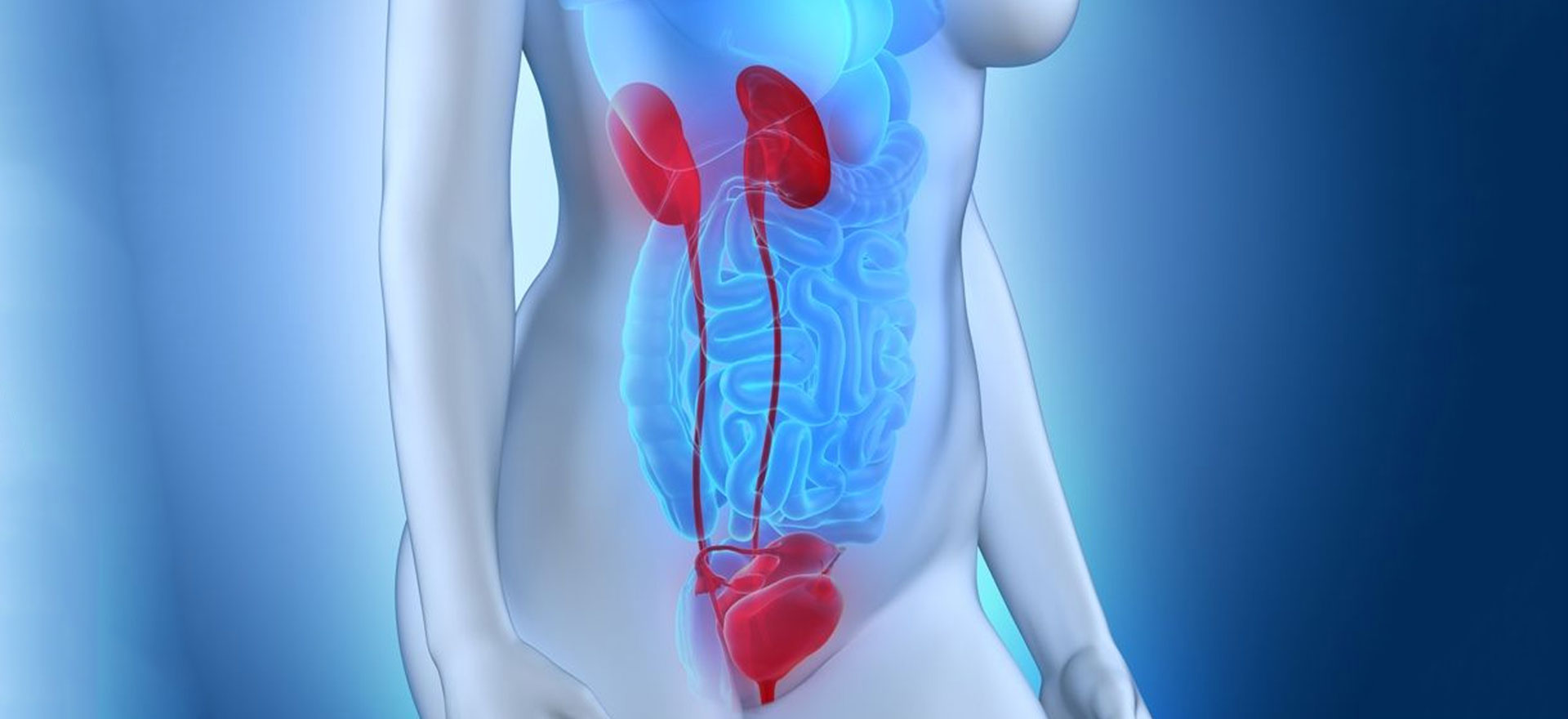
Comprehensive Female Urology Care
Female urology focuses on the diagnosis and treatment of urinary tract and pelvic floor disorders in women. These conditions can significantly impact daily life, causing discomfort, embarrassment, and reduced quality of life. With advancements in medical and surgical techniques, most female urological conditions can be effectively managed through personalized treatment plans. A patient-centered approach ensures privacy, comfort, and optimal outcomes through both non-surgical and minimally invasive surgical options.
Conditions Treated
- Urinary incontinence (stress, urge, and mixed types) affecting bladder control.
- Overactive bladder causing frequent and urgent urination.
- Recurrent urinary tract infections (UTIs).
- Pelvic organ prolapse affecting bladder and pelvic support structures.
- Voiding dysfunction and incomplete bladder emptying.
Symptoms
- Leakage of urine during coughing, sneezing, or physical activity.
- Sudden and uncontrollable urge to urinate.
- Frequent urination, including waking up multiple times at night.
- Pain or burning sensation during urination.
- Feeling of incomplete bladder emptying.
- Pelvic pressure or discomfort due to prolapse.
Causes
- Pregnancy and childbirth leading to weakening of pelvic floor muscles.
- Hormonal changes, especially during menopause.
- Aging and loss of muscle tone affecting bladder control.
- Chronic urinary infections or inflammation.
- Obesity and lifestyle factors increasing pressure on the bladder.
Treatment
- Pelvic floor exercises (Kegel exercises) to strengthen bladder control.
- Medications for overactive bladder and urinary symptoms.
- Minimally invasive procedures such as sling surgery for incontinence.
- Surgical correction for pelvic organ prolapse.
- Lifestyle modifications and bladder training techniques.
Benefits
- Improved bladder control and reduction in leakage.
- Relief from discomfort and urinary symptoms.
- Minimally invasive treatments with faster recovery.
- Enhanced confidence and quality of life.
- Personalized care tailored to individual needs.
Prevention
- Maintain pelvic floor strength through regular exercises.
- Stay hydrated and follow a balanced diet.
- Avoid excessive caffeine and bladder irritants.
- Maintain healthy body weight to reduce pressure on pelvic organs.
- Seek early medical advice for urinary symptoms.
Read More