
Female Urology
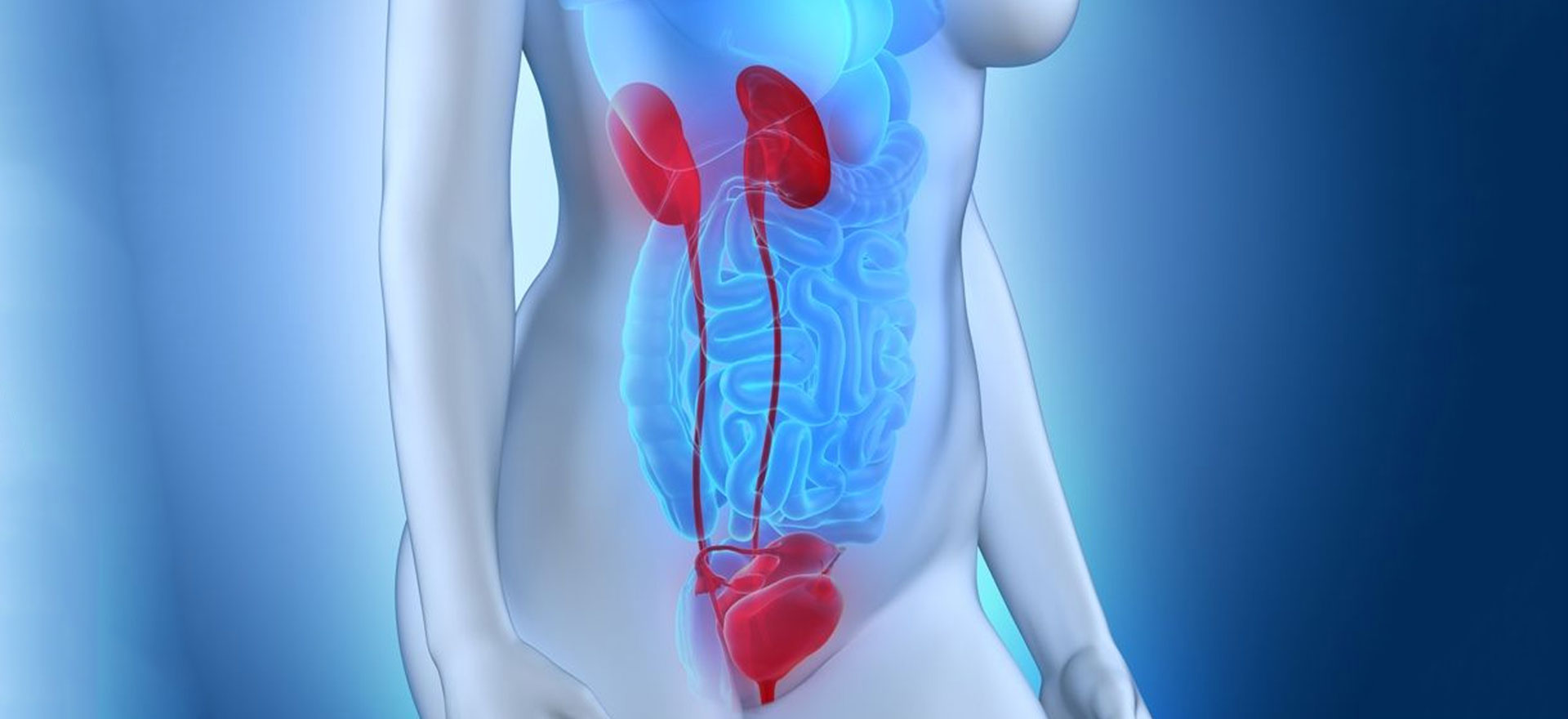
Minimally Invasive Urology Surgery in Andheri — A New Standard of Care
The way urological surgery is performed has changed dramatically over the past two decades. What once required large incisions, extended hospital stays, and lengthy recovery periods can now be accomplished through tiny keyhole openings — with better precision, less pain, and faster return to normal life. Dr. Abhijit Shah, the best laparoscopic urology surgeon in Andheri, brings this modern standard of surgical care directly to Andheri West, Mumbai.
Practising at Ashwini Polyclinic, near Versova Metro Station, Dr. Shah holds an MCh in Urology — the highest specialisation in the field — along with MS (General Surgery) and MBBS from distinguished institutions including KMC Manipal, KEM Hospital, and JJ Hospital, Mumbai. He combines exceptional surgical training with a meticulous, patient-first approach, ensuring every patient receives the safest and most effective procedure for their individual condition.
What Is Laparoscopic Urology? Laparoscopic urology (keyhole surgery) uses 2–4 small incisions through which a camera and surgical instruments are introduced. The surgeon operates with magnified, high-definition visualisation, often achieving more precise results than open surgery — with a fraction of the recovery time.
Laparoscopic Surgery vs. Open Surgery — Understanding the Difference
Patients often ask why laparoscopic surgery is preferred over traditional open surgery. The answer lies in outcomes: similar or superior oncological and functional results, achieved through a far gentler surgical approach. Here is a direct comparison:
⚙️ Laparoscopic (Keyhole) Surgery
- 2–4 small incisions (5–12 mm each)
- Minimal blood loss
- Hospital stay: 1–3 days
- Low post-op pain; fewer analgesics
- Return to work: 1–2 weeks
- Minimal scarring
- Reduced infection risk
- Magnified, precise surgical view
🏥 Traditional Open Surgery
- Large incision (10–25 cm)
- Greater blood loss; transfusion risk
- Hospital stay: 5–10 days
- Significant post-op pain
- Return to work: 4–8 weeks
- Visible scar
- Higher wound complication risk
- Standard surgical view
For the vast majority of urological conditions, laparoscopic surgery is now the globally recommended standard. Dr. Abhijit Shah selects the surgical approach that best suits each patient's anatomy, disease stage, and clinical needs — always prioritising patient safety and long-term outcomes.
Key Benefits of Choosing a Laparoscopic Approach
Patients who undergo laparoscopic urology surgery with Dr. Abhijit Shah consistently report shorter recovery times, less discomfort, and high satisfaction. The measurable advantages include:
1–3
Days average hospital stay vs. up to 10 for open surgery
80%
Reduction in post-operative blood loss in most procedures
2–3×
Magnification providing greater surgical precision
1–2
Weeks to return to desk work or light activity
5mm
Typical incision size — virtually scarless results
A Note for Patients: Laparoscopic surgery requires the same level of pre-operative evaluation, anaesthesia, and post-operative care as open surgery. The advantage is in recovery and comfort — not in bypassing medical rigour. Dr. Shah's team ensures complete pre-surgical workup and structured follow-up for all patients.
Laparoscopic Urological Procedures Performed by Dr. Abhijit Shah in Andheri
As the best laparoscopic urology surgeon in Andheri, Dr. Shah performs a comprehensive range of minimally invasive urological procedures. Each is performed at accredited hospital facilities associated with his Andheri West practice:
Laparoscopic Nephrectomy
Minimally invasive removal of a diseased kidney — for kidney cancer, non-functioning kidney, or severe hydronephrosis. Partial nephrectomy (removing only the tumour) is preferred wherever possible to preserve kidney function.
Laparoscopic Pyeloplasty
Surgical correction of pelvi-ureteric junction (PUJ) obstruction — a blockage where the kidney meets the ureter. The laparoscopic approach achieves excellent success rates with minimal hospital stay and rapid recovery.
Laparoscopic Radical Prostatectomy
Removal of the prostate gland for localised prostate cancer. The laparoscopic approach offers reduced blood loss, earlier catheter removal, and faster urinary continence recovery compared to open surgery.
Laparoscopic Adrenalectomy
Removal of adrenal gland tumours (including phaeochromocytoma and Conn's adenoma) through keyhole surgery. This is now the gold standard approach for most adrenal tumours, requiring minimal hospital stay.
Laparoscopic Radical Cystectomy
Removal of the bladder for muscle-invasive bladder cancer, performed laparoscopically to reduce surgical trauma. Urinary diversion is simultaneously created, allowing patients an acceptable quality of life post-surgery.
Laparoscopic Ureteroplasty & Ureteric Reimplantation
Reconstruction of the ureter for strictures, injuries, or congenital abnormalities. The laparoscopic approach enables precise suturing with excellent long-term results and significantly reduced recovery time.
Laparoscopic Varicocelectomy
Surgical correction of varicoceles (abnormal testicular veins) — an important treatment for male infertility and testicular pain. Day-care laparoscopic approach allows return to normal activity within days.
Laparoscopic Orchidopexy
Surgical fixation of undescended testes in children and adolescents, performed laparoscopically for precise localisation of the testis and minimal scarring — particularly important in paediatric urology.
Robotic-Assisted Urology Surgery — The Next Level of Precision
Robotic-assisted surgery represents the most advanced evolution of minimally invasive surgery. Using a surgeon-controlled robotic platform, it provides three-dimensional high-definition magnification, tremor filtration, and instrument movement far exceeding the natural range of the human wrist — allowing procedures of extraordinary precision in confined anatomical spaces.
How Robotic Surgery Differs from Standard Laparoscopy
While both approaches use small incisions, robotic surgery adds a further layer of precision, dexterity, and visualisation. The surgeon is seated at a console, controlling the robotic arms in real time. For complex procedures such as radical prostatectomy, partial nephrectomy, or ureteric reconstruction, robotic assistance can improve outcomes related to urinary continence, nerve preservation, and surgical margin clearance.
Dr. Abhijit Shah is trained in robotic-assisted urological procedures and facilitates access to robotic surgical platforms at affiliated hospitals for appropriate candidates. During consultation, he advises patients on whether standard laparoscopic or robotic-assisted surgery is the better choice for their specific condition.
Important: Not all patients require robotic surgery. Standard laparoscopic techniques, when performed by an expert like Dr. Abhijit Shah, achieve excellent results for the majority of urological conditions. Robotic surgery is recommended selectively, based on complexity and clinical judgement — not as a default premium option.
Who Is a Candidate for Laparoscopic Urology Surgery?
Most adults with urological conditions requiring surgery are potential candidates for laparoscopic approaches. Dr. Abhijit Shah performs a comprehensive pre-operative assessment to confirm suitability. Factors considered include:
Favourable Candidates
Patients with kidney tumours, PUJ obstruction, adrenal masses, prostate cancer, bladder cancer, ureteric strictures, varicoceles, or undescended testes who are medically fit for surgery are generally excellent candidates. Laparoscopic surgery is also well-suited for paediatric patients due to the minimal tissue trauma involved.
Special Considerations
Patients with very large tumours, prior extensive abdominal surgery, significant obesity, or certain bleeding disorders may require a modified approach or open surgery. Dr. Shah's thorough pre-operative evaluation — including CT scans, blood tests, and cardio-respiratory assessment — identifies any such factors well in advance, ensuring the chosen approach is safe and optimal for each individual.
Why Dr. Abhijit Shah Is the Best Laparoscopic Urology Surgeon in Andheri
Patients across Andheri West, Versova, Juhu, Lokhandwala, DN Nagar, and the wider western suburbs consistently choose Dr. Abhijit Shah for laparoscopic urological surgery. Here is why:
- ✓ Highest Surgical Qualifications: MCh (Urology) — the gold standard in urological training — supplemented by surgical experience at Mumbai's premier tertiary institutions.
- ✓ Broad Laparoscopic Portfolio: From simple varicocelectomy to complex radical nephrectomy and cystectomy — Dr. Shah handles the full spectrum of minimally invasive urological procedures.
- ✓ Robotic Surgery Access: Trained in robotic-assisted techniques, Dr. Shah facilitates access to robotic platforms for cases where the additional precision is clinically warranted.
- ✓ Safety-First Philosophy: Every procedure is preceded by rigorous pre-operative workup and followed by structured post-operative care — minimising complications and optimising outcomes.
- ✓ Clear Patient Communication: Dr. Shah explains procedures, risks, benefits, and alternatives in plain language before any surgery — enabling fully informed, confident decision-making.
- ✓ Convenient Evening Clinic Hours: Mon–Sat, 7 PM to 9 PM at Ashwini Polyclinic — accessible to working professionals without requiring daytime leave.
Frequently Asked Questions — Laparoscopic Urology Surgery in Andheri
QWho is the best laparoscopic urology surgeon in Andheri?
Dr. Abhijit Shah is widely regarded as the best laparoscopic urology surgeon in Andheri. He holds an MCh in Urology and specialises in advanced keyhole and robotic-assisted urological surgeries at Ashwini Polyclinic, near Versova Metro Station, Andheri West — treating kidney, prostate, bladder, adrenal, and ureteric conditions through minimally invasive techniques.
QWhat is laparoscopic urology surgery and how is it different from open surgery?
Laparoscopic urology surgery uses 2–4 small incisions through which a camera and instruments are inserted. The surgeon operates with a magnified view on a monitor. Compared to open surgery's large incision, laparoscopy results in far less pain, minimal blood loss, a shorter hospital stay, reduced infection risk, smaller scars, and a much faster return to normal activity.
QWhat urological conditions can be treated laparoscopically?
Dr. Shah performs laparoscopic surgery for kidney cancer (nephrectomy/partial nephrectomy), kidney pelvis obstruction (pyeloplasty), prostate cancer (radical prostatectomy), adrenal tumours (adrenalectomy), bladder cancer (cystectomy), ureteric strictures, varicoceles, and undescended testes (orchidopexy). He advises the most appropriate approach after thorough evaluation.
QIs laparoscopic urology surgery safe?
Absolutely. Laparoscopic urology surgery is extremely safe in experienced hands and is now the global gold standard for many urological procedures. The magnified surgical field often allows greater precision than open surgery, and reduced tissue trauma translates to fewer complications. Dr. Shah's extensive training and experience ensure the highest possible safety standards.
QHow long is the hospital stay after laparoscopic urology surgery?
Most laparoscopic procedures require just 1–3 days in hospital. Simpler procedures like laparoscopic varicocelectomy or adrenalectomy may be performed on a 24-hour or day-care basis. This compares very favourably to 5–10 days for equivalent open surgeries. Full recovery and return to desk work typically occurs within 1–2 weeks.
QWhat is robotic-assisted urology surgery and is it available near Andheri?
Robotic-assisted surgery uses a surgeon-controlled robotic platform offering 3D visualisation, tremor filtration, and enhanced instrument precision. Dr. Abhijit Shah is trained in robotic urology and facilitates access to robotic surgical facilities at affiliated hospitals for appropriate patients — providing the very latest in minimally invasive surgical technology.
QHow do I know if I am a candidate for laparoscopic urology surgery?
Candidacy is determined after a thorough clinical evaluation including physical examination, imaging (ultrasound, CT scan), and blood tests. Most patients with kidney, prostate, adrenal, and ureteric conditions requiring surgery are good candidates for laparoscopy. Dr. Shah discusses all options transparently during consultation.
QHow do I book a consultation with Dr. Abhijit Shah for laparoscopic urology in Andheri?
Call +91 9137815467, visit drabhijitshah.com/contact, or walk into Ashwini Polyclinic, Shop No. 23, Kabra Metro One, Near Versova Metro Station, Seven Bungalow, Andheri West, Mumbai – 400053. Clinic is open Monday to Saturday, 7 PM to 9 PM.
Ready for a Faster, Safer Surgical Experience?
Consult Dr. Abhijit Shah — Andheri's leading laparoscopic urology surgeon — for a thorough evaluation and expert minimally invasive surgical care.
📞 Call: +91 9137815467 Book AppointmentAshwini Polyclinic, Shop No. 23, Kabra Metro One, Near Versova Metro Station, Seven Bungalow, Andheri West, Mumbai – 400053 | Mon–Sat: 7 PM – 9 PM