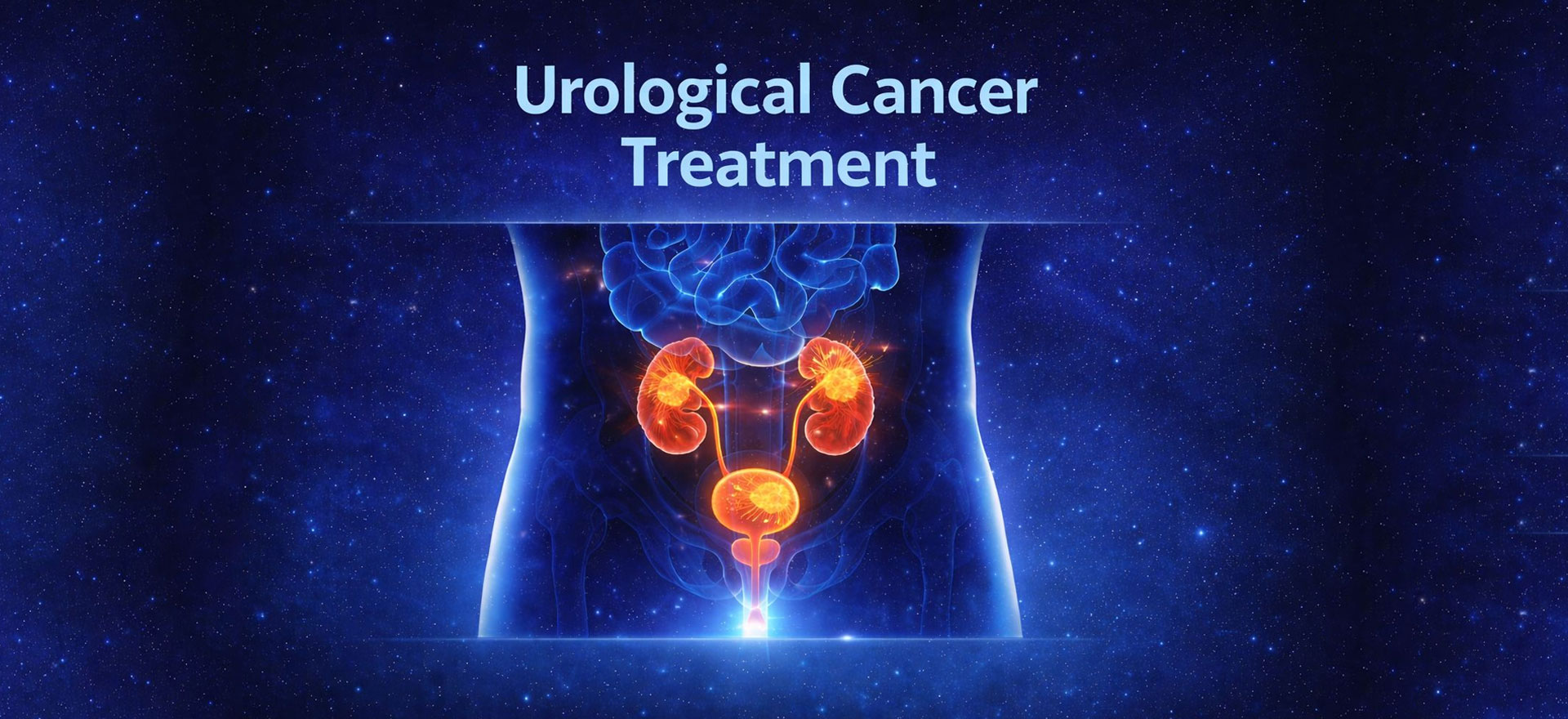
Comprehensive Urological Cancer Treatment
Urological cancers involve malignancies of the urinary tract and male reproductive organs, including the kidney, prostate, bladder, testis, and penis. Early diagnosis and timely treatment are crucial for improving survival and quality of life. Advanced treatment approaches combine surgery, minimally invasive techniques, and multidisciplinary care to provide effective cancer management. With expertise in uro-oncology, modern technologies such as laparoscopic and robotic-assisted surgeries are used to ensure precision, reduced complications, and faster recovery for patients.
Conditions Treated
- Kidney cancer (renal cell carcinoma) requiring surgical and oncological management.
- Prostate cancer, including early-stage and advanced disease.
- Bladder cancer presenting with urinary symptoms or hematuria.
- Testicular cancer requiring timely diagnosis and treatment.
- Penile cancer and other rare urological malignancies.
Symptoms
- Blood in urine (visible or microscopic hematuria).
- Persistent pain in the lower back, abdomen, or pelvic region.
- Difficulty in urination or changes in urinary habits.
- Unexplained weight loss and fatigue.
- Lump or swelling in the testicles or genital area.
- Bone pain or advanced symptoms in later stages.
Causes
- Tobacco use and smoking, which significantly increase cancer risk.
- Genetic factors and family history of urological cancers.
- Long-term exposure to harmful chemicals and environmental toxins.
- Chronic infections or inflammation of the urinary tract.
- Age-related risk factors and hormonal influences.
Treatment
- Surgical removal of tumors using open, laparoscopic, or robotic techniques.
- Partial or radical nephrectomy for kidney cancer.
- Radical prostatectomy and advanced prostate cancer management.
- Transurethral resection (TURBT) for bladder tumors.
- Multidisciplinary care including chemotherapy, radiotherapy, and targeted therapy.
Benefits
- Early diagnosis and treatment improve survival rates and outcomes.
- Minimally invasive procedures reduce pain and hospital stay.
- Advanced surgical techniques ensure precision and safety.
- Comprehensive care tailored to individual patient needs.
- Improved quality of life with effective cancer control.
Prevention
- Avoid smoking and tobacco use.
- Maintain a healthy diet and active lifestyle.
- Regular screening and early detection for high-risk individuals.
- Timely treatment of urinary infections and related conditions.
- Follow medical advice and routine check-ups for long-term health.