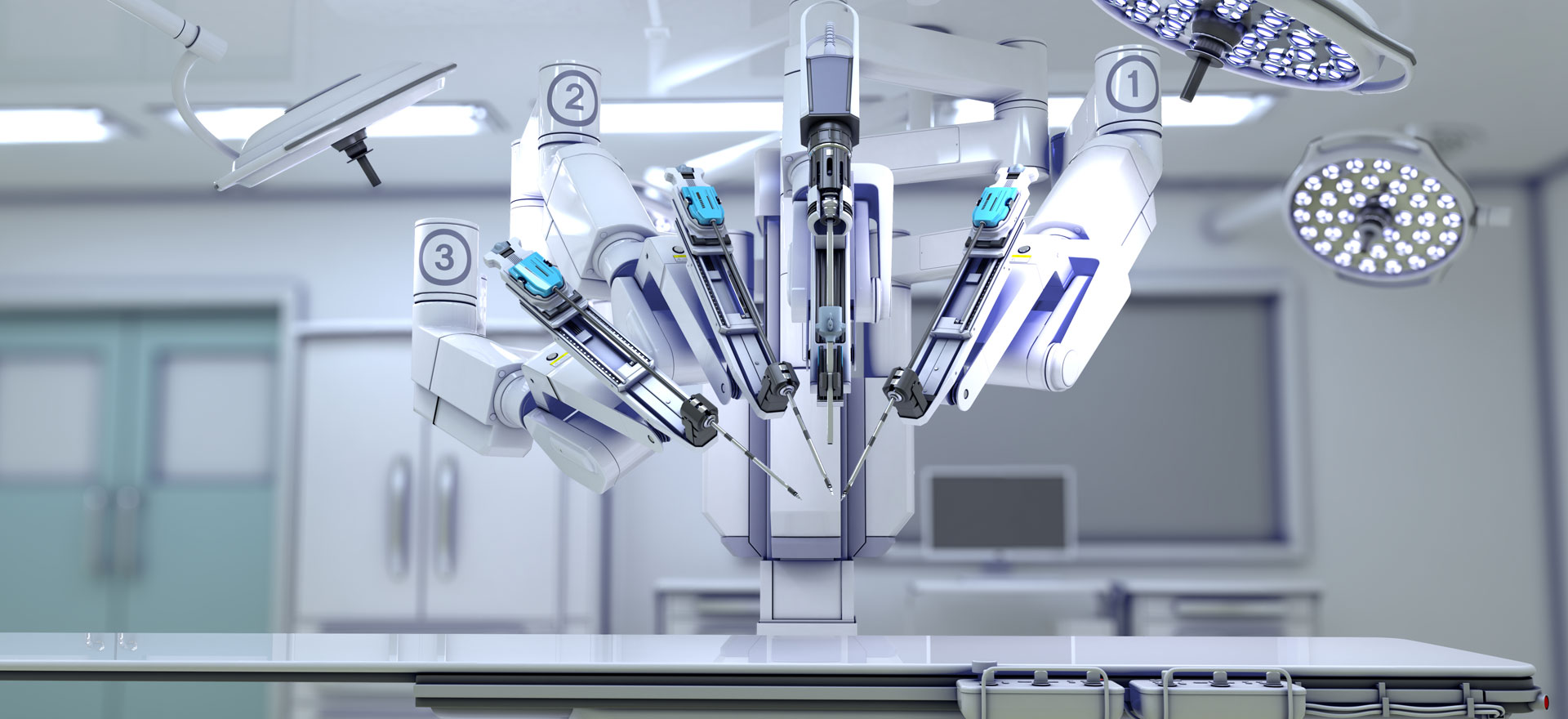
Advanced Laparoscopic & Robotic Urology Surgery
Laparoscopic and robotic urology surgeries represent the most advanced form of minimally invasive surgical care, offering high precision, smaller incisions, and faster recovery. These techniques utilize specialized instruments and robotic-assisted systems to perform complex urological procedures with enhanced visualization and control. They are widely used in the treatment of kidney, prostate, bladder, and reconstructive urological conditions, ensuring minimal blood loss, reduced pain, and improved surgical outcomes.
Conditions Treated
- Kidney tumors and cancers requiring partial or radical nephrectomy.
- Prostate cancer requiring robotic-assisted prostatectomy.
- Bladder tumors and reconstructive bladder surgeries.
- Ureteric strictures and obstruction requiring reconstruction.
- Congenital and acquired urological abnormalities.
Symptoms
- Persistent pain in the abdomen, flank, or pelvic region.
- Blood in urine indicating possible tumors or internal issues.
- Difficulty in urination or obstruction-related symptoms.
- Recurrent infections or complications requiring surgical correction.
- Functional impairment of kidneys or urinary tract.
Causes
- Cancerous growths affecting kidney, prostate, or bladder.
- Congenital abnormalities in the urinary tract.
- Long-standing obstruction or untreated urological conditions.
- Recurrent infections causing structural damage.
- Trauma or injury affecting urological organs.
Treatment
- Laparoscopic nephrectomy for kidney diseases and tumors.
- Robotic-assisted radical prostatectomy for prostate cancer.
- Laparoscopic pyeloplasty for ureteropelvic junction obstruction.
- Robotic reconstructive surgeries for complex urological conditions.
- Minimally invasive tumor removal with precision and safety.
Benefits
- Smaller incisions leading to minimal scarring and faster healing.
- Reduced blood loss and lower risk of complications.
- Shorter hospital stay and quicker return to daily life.
- Enhanced surgical precision with robotic assistance.
- Improved outcomes and better patient satisfaction.
Prevention
- Regular health check-ups for early detection of urological conditions.
- Maintain a healthy lifestyle and balanced diet.
- Avoid smoking and reduce exposure to harmful toxins.
- Timely treatment of urinary infections and symptoms.
- Consult a urologist early for any persistent urinary issues.