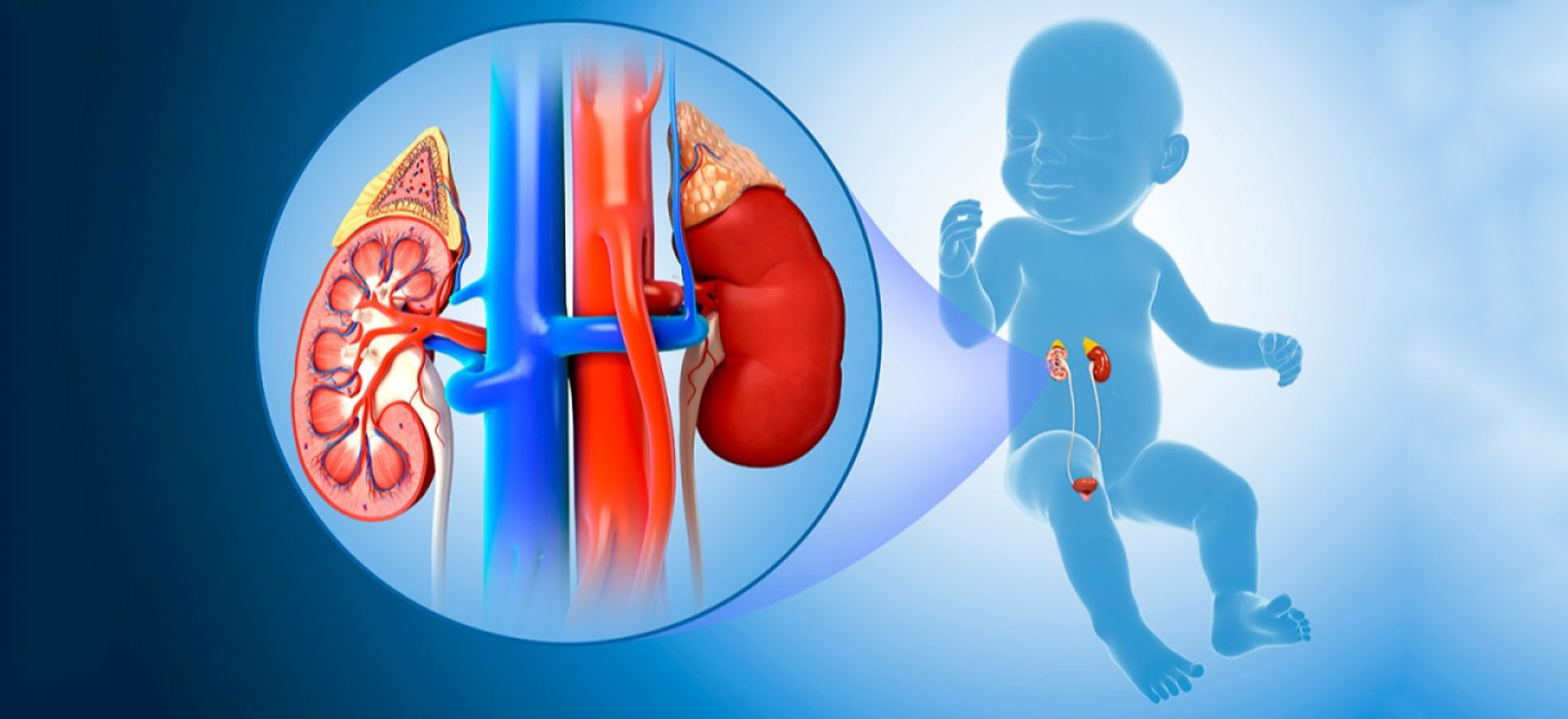
Specialized Pediatric Urology Care
Pediatric urology focuses on the diagnosis and treatment of urological conditions in infants, children, and adolescents. These conditions may be congenital (present at birth) or acquired during childhood and require specialized care tailored to the child’s growth and development. With advanced techniques and a child-friendly approach, treatment ensures safe, effective outcomes while minimizing discomfort and long-term complications. Early diagnosis and timely intervention play a crucial role in preserving kidney function and overall health in children.
Conditions Treated
- Congenital abnormalities such as hypospadias and undescended testis (cryptorchidism).
- Vesicoureteral reflux (VUR) causing backward flow of urine from bladder to kidneys.
- Pediatric kidney stones and urinary tract obstructions.
- Ureteropelvic junction (UPJ) obstruction affecting kidney drainage.
- Bedwetting (enuresis) and functional urinary disorders.
Symptoms
- Recurrent urinary tract infections in children.
- Pain or swelling in the abdomen or groin area.
- Difficulty in urination or abnormal urine stream.
- Bedwetting beyond the expected age.
- Blood in urine or changes in urine color.
- Poor growth or developmental issues due to kidney problems.
Causes
- Congenital defects present from birth affecting urinary tract development.
- Genetic factors and family history of urological conditions.
- Infections leading to inflammation and urinary tract damage.
- Obstruction in urine flow due to structural abnormalities.
- Functional bladder disorders affecting urine control.
Treatment
- Pediatric surgical procedures such as hypospadias repair and orchiopexy.
- Minimally invasive and laparoscopic surgeries for better recovery.
- Endoscopic procedures for treating obstructions and reflux.
- Medical management for infections and functional disorders.
- Long-term monitoring and follow-up care for growth and development.
Benefits
- Early treatment prevents long-term kidney damage.
- Improved urinary function and overall child health.
- Minimally invasive procedures reduce pain and recovery time.
- Better growth and development outcomes.
- Enhanced quality of life for both child and family.
Prevention
- Regular pediatric check-ups for early detection of abnormalities.
- Maintain proper hygiene to prevent infections.
- Ensure adequate hydration and balanced nutrition.
- Timely treatment of urinary infections and symptoms.
- Follow medical advice for congenital or ongoing conditions.