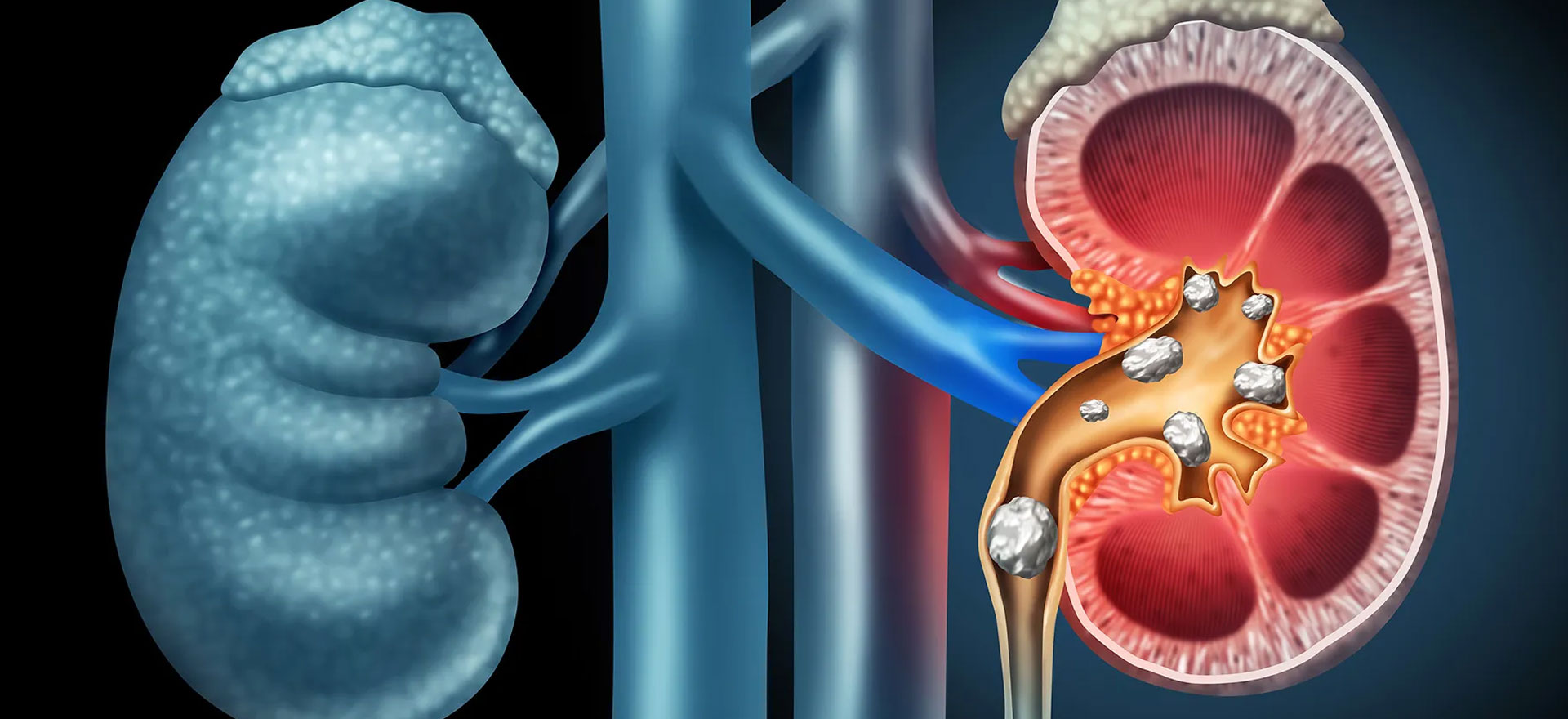
Advanced Endoscopic Kidney Stone Treatment
Endoscopic kidney stone treatment is a modern, minimally invasive technique used to remove stones from the kidney and urinary tract without the need for large surgical incisions. Using advanced procedures such as Ureteroscopy (URS), Retrograde Intrarenal Surgery (RIRS), and Percutaneous Nephrolithotomy (PCNL), stones are precisely targeted and fragmented using laser technology. These procedures are highly effective, safe, and designed to ensure minimal discomfort, shorter hospital stays, and faster recovery. This advanced approach is especially beneficial for patients with recurrent stones, large stones, or those who do not respond to medical management.
Conditions Treated
- Kidney stones of varying sizes, including complex and multiple stones that require advanced endoscopic removal techniques.
- Ureteric stones that obstruct the flow of urine and cause severe pain or infection.
- Recurrent kidney stone disease where patients experience repeated stone formation over time.
- Bladder stones and associated urinary symptoms requiring minimally invasive intervention.
- Obstructive uropathy caused by stones leading to swelling of the kidney and reduced function.
Symptoms
- Severe and sudden pain in the back, side, or lower abdomen, often radiating towards the groin.
- Presence of blood in urine (hematuria), which may appear pink, red, or brown.
- Burning sensation or discomfort during urination along with increased urinary frequency.
- Nausea and vomiting associated with severe pain episodes.
- Fever and chills in cases where infection is present along with obstruction.
- Difficulty in passing urine or reduced urine output due to blockage.
Causes
- Inadequate fluid intake leading to concentrated urine and crystal formation.
- Dietary factors such as high salt, protein, and oxalate-rich foods.
- Genetic predisposition or family history of kidney stones.
- Metabolic disorders that affect calcium, uric acid, or oxalate levels in the body.
- Recurrent urinary tract infections contributing to stone formation.
Treatment
- Ureteroscopy (URS): A thin scope is passed through the urinary tract to directly visualize and remove or break stones.
- Retrograde Intrarenal Surgery (RIRS): Flexible endoscopic technique used for treating stones within the kidney.
- Percutaneous Nephrolithotomy (PCNL): A keyhole procedure for removing large or complex kidney stones.
- Laser lithotripsy: Advanced laser technology used to break stones into smaller fragments for easy removal.
- Placement of ureteral stents when necessary to ensure proper urine drainage post-procedure.
Benefits
- Minimally invasive procedures with no large incisions, leading to reduced pain and scarring.
- Faster recovery time allowing patients to return to normal activities quickly.
- Shorter hospital stay and reduced risk of complications.
- High success rates in complete stone clearance.
- Advanced technology ensures precision and improved patient outcomes.
Prevention
- Maintain adequate hydration by drinking sufficient water throughout the day.
- Follow a balanced diet with controlled salt, protein, and oxalate intake.
- Regular medical check-ups and imaging for early detection.
- Timely treatment of urinary infections to prevent stone formation.
- Lifestyle modifications and medications as advised by your urologist to prevent recurrence.